Discover the fascinating symbiotic organisms that thrive in Earth's most extreme environments
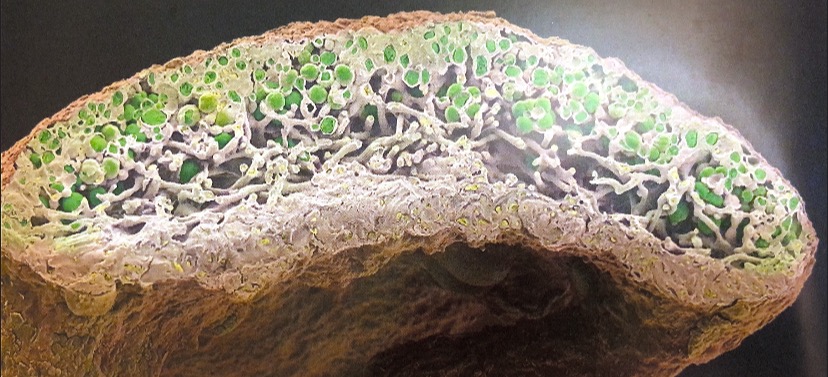
Lichens are extraordinary composite organisms that arise from algae or cyanobacteria living among filaments of multiple fungi species. This symbiotic relationship creates a completely new organism different from any of its component parts.
These resilient life forms can survive in some of the most extreme environments on Earth, from arctic tundra to scorching deserts, and play crucial roles in ecosystem functions like soil formation and nitrogen fixation.
Learn More
Explore the diverse forms and colors of lichens from around the world
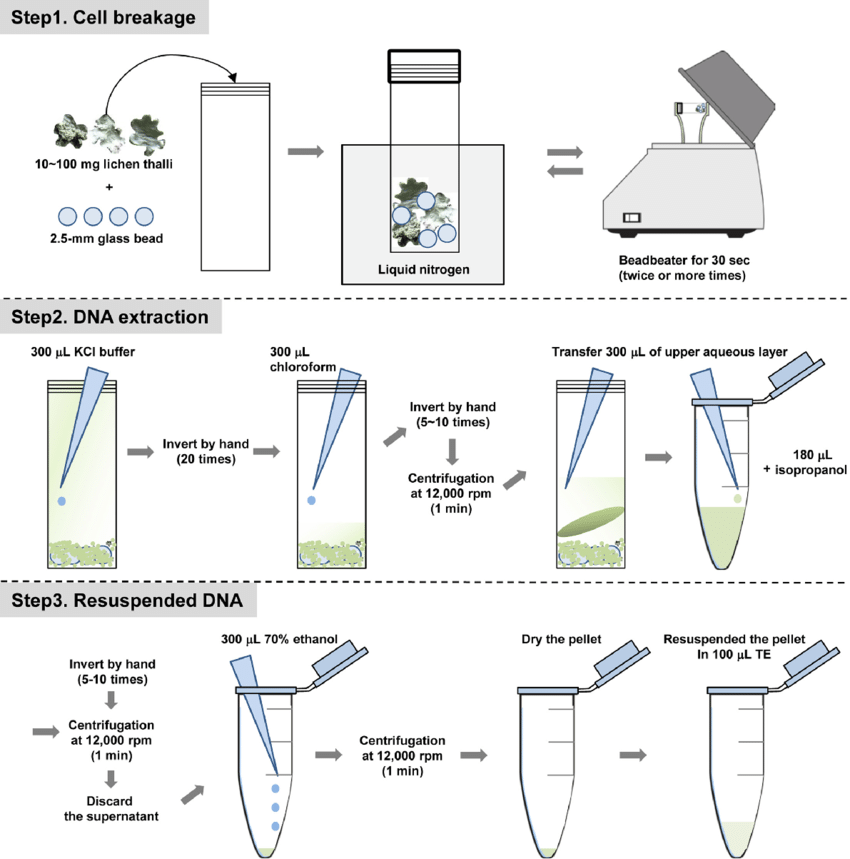
Extracting DNA from lichens is essential for genetic studies of these complex symbiotic organisms. The process involves several critical steps to isolate high-quality DNA for analysis.
Carefully clean and prepare the lichen sample to remove contaminants such as soil, insects, and other plant materials. This often involves rinsing with sterile water and careful examination under a microscope.
Break down the cell walls and membranes to release the DNA. This typically involves grinding the sample in liquid nitrogen and treating with detergents and enzymes to disrupt cellular structures.
Separate the DNA from other cellular components using techniques such as CTAB extraction, silica-based methods, or commercial DNA extraction kits optimized for plant or fungal tissue.
Remove any remaining impurities from the extracted DNA using precipitation with ethanol or isopropanol, followed by washing steps to eliminate salts and other contaminants.
Check the purity and concentration of the extracted DNA using spectrophotometry (e.g., NanoDrop), gel electrophoresis, or fluorometric quantification methods like Qubit.
Some lichen colonies are among the oldest living things on Earth, with certain specimens estimated to be over 4,500 years old.
Lichens serve as bioindicators of air quality due to their sensitivity to pollutants like sulfur dioxide and nitrogen compounds.
Certain lichens produce unique compounds used in traditional medicine and modern pharmaceuticals for their antibacterial properties.
For centuries, lichens have been used to create vibrant, colorfast natural dyes for fabrics, particularly in Scottish Harris Tweed.
Have questions about lichens? Want to contribute to our research? Reach out to us!
info@lichenexplorer.org
+1 (555) 123-4567
123 Research Avenue
Botany Department
University of Natural Sciences